





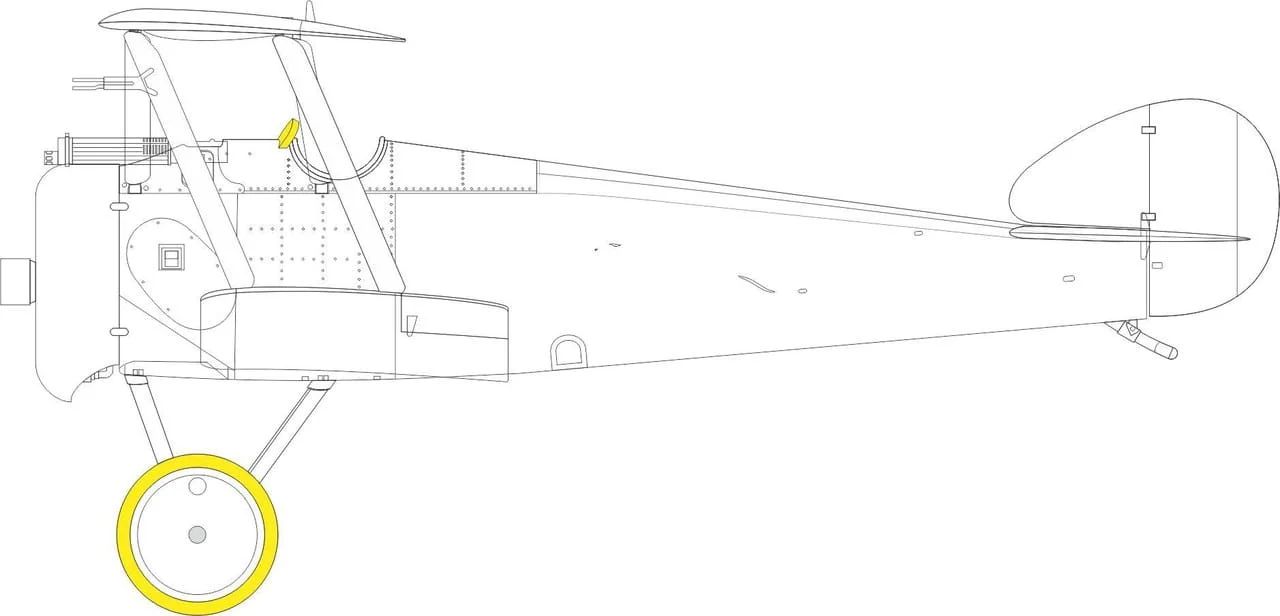
Eduard EX879 - 1:48 Sopwith Camel masks
Do darmowej dostawy brakuje Ci jedynie 299 zł
Masz darmową dostawę ✓
Product code: ED-EX879
Barcode: 8591437569908
Ask about the product

Administratorem danych osobowych jest Sklep Modelarski Exito. Przetwarzamy je w celu przesłania odpowiedzi na zapytanie. Więcej informacji dotyczących przetwarzania danych osobowych znajduje się w polityce prywatności.
Share the product card



Leave feedback on the product

Description
Eduard EX879 mask set – canopy painting masks for the Sopwith Camel model (Eduard) in 1:48 scale
Eduard EX879 is a set of self-adhesive 1:48 masks for painting the canopy framing and other glazing, and the wheel hubs, tailored to the Sopwith Camel model from Eduard. The masks are die-cut from yellow Kabuki masking paper, giving sharp edges without hand masking with tape. The base kit is not included.
What's in the box:
- Sheet of self-adhesive masks made of yellow Kabuki masking paper, die-cut for the canopy and other glazing and for the wheel hubs
- Mask placement instructions
Set specifications:
- Scale: 1:48
- Catalogue number: EX879
- Manufacturer: Eduard
- Dedicated kit: Sopwith Camel from Eduard
- Accessory type: canopy painting masks
- Material: yellow Kabuki masking paper, machine-cut
Self-adhesive painting masks – crisp canopy frame edges
Eduard masks are self-adhesive stencils die-cut from low-tack yellow Kabuki masking paper suited to delicate model surfaces. They cover the clear areas of the glazing and leave only the canopy framing exposed, so that after airbrushing you get sharp, even frame edges – hard to achieve when masking by hand with tape.
The recommended method is to apply the masks to clean, degreased glazing, press the edges down firmly and then airbrush the paint. Once the paint has dried, the masks are removed. The masks are intended for single use and should not be left on the model for a long time.
About the aircraft – Sopwith Camel (WWI biplane fighter):
The Camel is a single-seat biplane fighter built by the British firm Sopwith and introduced into service in 1917. Its fuselage was fabric-covered over a wooden structure. The name derives from the distinctive fairing over the twin machine guns ahead of the cockpit, which formed a hump. Concentrating the heavy assemblies in the forward fuselage gave high manoeuvrability but made the aircraft demanding to fly.
It was powered by a rotary engine, in which the whole cylinder block turned together with the propeller, producing a strong gyroscopic torque. Armament consisted of two synchronised Vickers machine guns firing through the propeller arc. The Camel was used on the Western Front and in carrier-based and night-fighter versions. More than 5,000 examples were built.
Original specifications (Sopwith Camel (WWI biplane fighter)):
- Length: 5.72 m
- Wingspan: 8.53 m
- Height: 2.59 m
- Empty weight: 421 kg
- Maximum weight: 659 kg
- Crew: 1
- Powerplant: 1 x rotary engine (Clerget 9B or Bentley BR1), approx. 130-150 hp
- Maximum speed: approx. 185 km/h
- Ceiling: 5,790 m
- Range: approx. 485 km
- Armament: 2 x synchronised 7.7 mm Vickers machine guns
- Production: 1916-1920, approx. 5,490 built
About the manufacturer – Eduard:
Eduard is a Czech manufacturer of scale model kits and modelling accessories, established in 1989 and based in Obrnice. The company is widely recognised among aircraft modellers for its own 1:48 and 1:72 kits and for an extensive range of upgrade accessories: photo-etched parts, Brassin resin components, decals and painting masks. Eduard masks are die-cut from yellow Kabuki masking paper and designed for specific plastic kits, ensuring an accurate fit to the shape of the canopy and other details. The EX mask series covers hundreds of items dedicated both to Eduard kits and to kits from other manufacturers.
Safety warnings
Certificates and safety warnings
- The product contains small parts.
- Risk of choking or swallowing.
Manufacturer
Eduard Model Accessories Spol s.r.o.
Mirova 170
www.eduard.com
435 21 Obrnice, Czech Republic
Other products in this category
-
€9.74
-
€10.93
-
€9.74
-
€8.31
-
€5.69
-
€7.36
-
€11.17
-
€12.83
-
€9.74
-
€9.74
-
€8.31
-
€12.83
-
€9.74
-
€9.74
-
€10.93
-
€7.36


Special offers
Check out all the deals
-
€30.34Regular price: €40.45-25%Lowest price: €30.34-0%
-
€17.12Regular price: €21.40-20%Lowest price: €17.12-0%
-
€11.41Regular price: €14.26-20%Lowest price: €11.41-0%
-
€17.12Regular price: €21.40-20%Lowest price: €17.12-0%
-
€14.27Regular price: €17.83-20%Lowest price: €14.27-0%
-
€12.55Regular price: €15.69-20%Lowest price: €12.55-0%
-
€11.41Regular price: €14.26-20%Lowest price: €11.41-0%
-
€295.46Regular price: €347.60-15%Lowest price: €295.46-0%
-
€30.95Regular price: €36.40-15%Lowest price: €30.95-0%
-
€22.24Regular price: €26.17-15%Lowest price: €22.24-0%
-
€1.82Regular price: €2.60-30%Lowest price: €1.82-0%
-
€48.20Regular price: €64.26-25%Lowest price: €48.20-0%
-
Deal
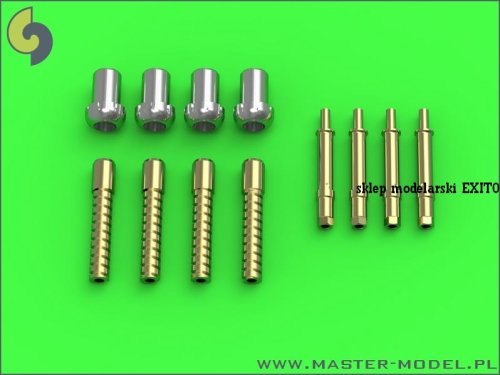
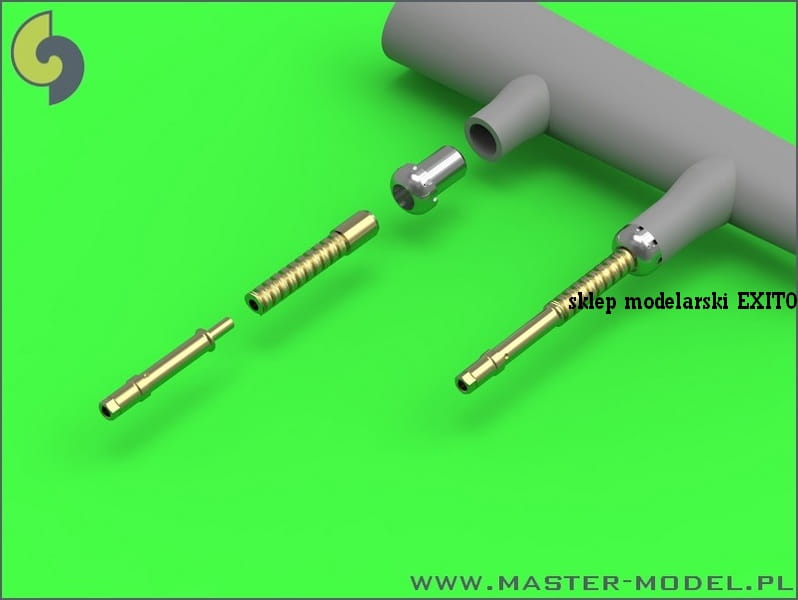
MASTER AM-24-009 - 1:24 Hawker Hurricane Mk IIC gun barrels for Hispano Mk and 20mm with flat spring
€11.13Regular price: €18.55-40%Lowest price: €11.13-0% -
€9.80Regular price: €13.07-25%Lowest price: €9.80-0%
-
€9.89Regular price: €12.36-20%Lowest price: €9.89-0%
-
€19.03Regular price: €23.79-20%Lowest price: €19.03-0%


Bestsellers
-
€202.36Regular price: €238.07-15%Lowest price: €178.55--13%
-
€161.88
-
€66.64
-
€178.55
-
€107.12
-
€249.98
-
€166.64
-
€166.64
-
€321.40
-
€190.45
-
€95.21
-
€214.26
-
€214.26
-
€492.83
-
€209.50
-
€559.50


 Log in with Google
