





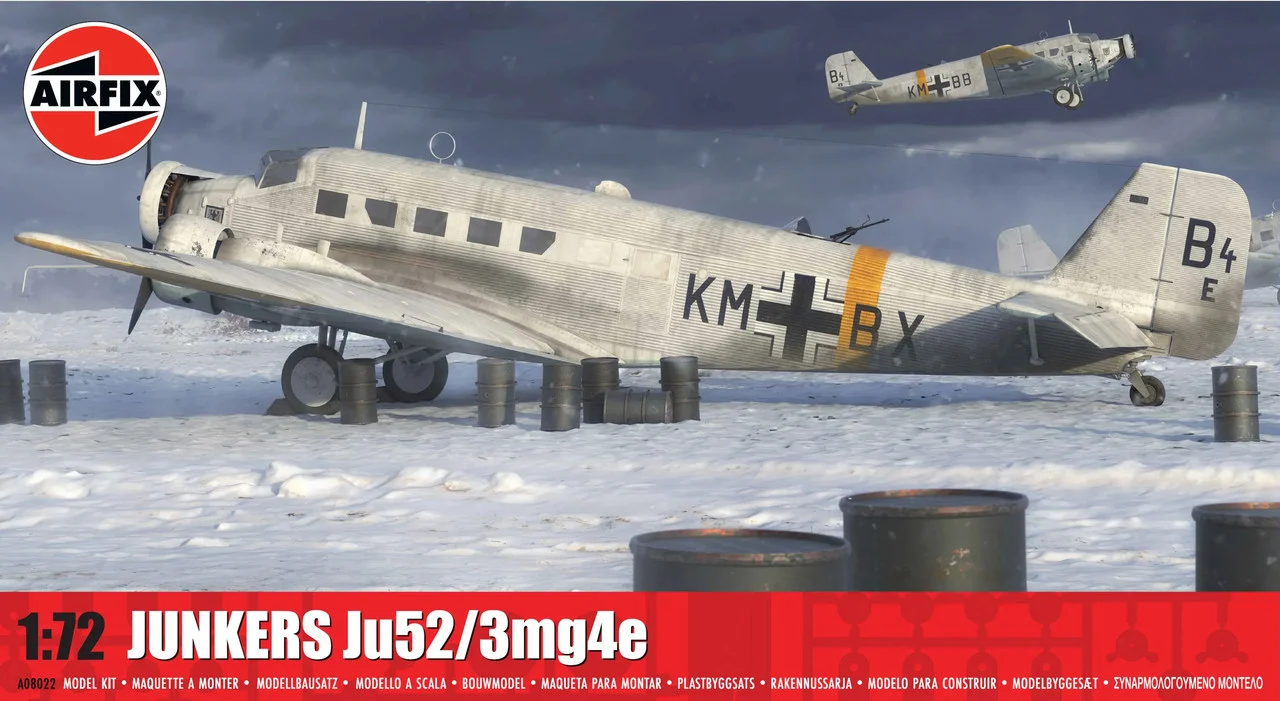


Airfix 08022 - 1:72 Junkers Ju 52/3mg4e
Do darmowej dostawy brakuje Ci jedynie 299 zł
Masz darmową dostawę ✓
Product code: AIRF-08022
Barcode: 5063129052027
Ask about the product

Administratorem danych osobowych jest Sklep Modelarski Exito. Przetwarzamy je w celu przesłania odpowiedzi na zapytanie. Więcej informacji dotyczących przetwarzania danych osobowych znajduje się w polityce prywatności.
Share the product card



Leave feedback on the product

Description
Junkers Ju 52/3m g4e transport aircraft plastic model kit in 1:72 scale
Airfix 08022 is a construction kit representing the German three-engined Junkers Ju 52/3m transport in its g4e version — the aircraft that served as the Luftwaffe's basic workhorse throughout the Second World War. Its corrugated duralumin skin, low-wing layout and three BMW 132 radial engines made it one of the most easily recognised silhouettes of the era.
This is a completely new tooling created by Airfix in 2026, not a reissue of earlier kits. The model comprises 218 parts, reproduces the corrugated skin texture across the entire airframe, and comes with a separate clear sprue and full-colour instructions. The g4e was a military transport variant in which the tailskid was replaced by a tailwheel — a feature reproduced in the kit in line with the prototype.
What's in the box:
- Injection-moulded plastic sprues — 218 parts in total
- Clear sprue
- Multi-colour waterslide decal sheet covering three marking options
- Painting guide sheet
- Full-colour illustrated assembly instructions
Specifications:
- Scale: 1:72
- Catalogue number: 08022
- Manufacturer: Airfix
- Finished model length: approx. 263 mm
- Wingspan: approx. 406 mm
- Part count: 218
- Tooling: new, 2026
- Skill level: intermediate
Please note: this kit does not include glue, paints or modelling tools. The model is intended for self-assembly.
Building the model:
New tooling means fine edges, well-placed part breakdown and a precisely reproduced corrugated skin — and that surface texture is the model's main painting challenge. With such pronounced structure it is best to build up the paint in thin coats, ideally with an airbrush, so the corrugations are not flooded by the finish. Painting and assembling the cockpit and cabin interior before closing the fuselage halves is strongly advisable, since access becomes impossible afterwards. Fitting the outboard engine nacelles to the wings calls for patience — their symmetry determines the look of the whole airframe.
Luftwaffe transports of 1940–1942 are typically finished in RLM colours: dark green and dark grey upper surfaces over a light blue underside, with yellow theatre identification bands on the Eastern Front. Exact codes are given in the instructions. The corrugated skin responds beautifully to a brush-applied wash, which flows naturally into the grooves and emphasises the structure on its own. A satin finish suits an operational military aircraft, and pigments allow dust and mud effects to be added around the undercarriage, typical of forward airfields.
Tools you will need:
- Modelling sprue cutters
- Hobby knife or scalpel
- Files and sanding paper for cleaning up sprue gate marks
- Polystyrene cement (e.g. Tamiya Extra Thin Cement)
- Precision modelling tweezers
- Brushes in a range of sizes
- Model paints (acrylic or enamel) in RLM colours
- Gloss varnish for decal application and satin varnish for the final coat
- A modelling wash to emphasise the corrugated skin
- Optional: pigments for dust and mud effects
About the aircraft – Junkers Ju 52/3m:
The Junkers Ju 52 was developed in the early 1930s as a further step in the Junkers line of transport aircraft, continuing the tradition of all-metal corrugated-skin designs established by Hugo Junkers in the 1920s. The single-engined prototype first flew in October 1930, but the type only made its name in the three-engined 3m form that appeared a year later and quickly became a mainstay of Deutsche Lufthansa.
As the Luftwaffe expanded, the Ju 52/3m entered military service — initially, for want of anything better, even as a bomber, a role tested in combat during the Spanish Civil War. Ultimately it found its place as a transport and paratroop aircraft. Ju 52s carried supplies, wounded and airborne troops in every German campaign: Norway, the Netherlands, Crete, North Africa and the Eastern Front, where they took part in attempts to resupply encircled formations by air.
The design was famous for its simplicity and ruggedness: the aircraft could operate from improvised strips, tolerated harsh conditions and was easy to maintain, although its low speed made it an easy target for fighters. More than 2,800 examples were delivered to the Luftwaffe between 1939 and 1944, and licence production continued after the war in France (Amiot AAC.1 Toucan) and Spain (CASA 352). The g4e was a military transport variant in which the tailskid was replaced by a tailwheel, easing ground handling on hard surfaces.
Original aircraft specifications (Junkers Ju 52/3m):
- Length: 18.90 m
- Wingspan: 29.20 m
- Height: 5.50 m
- Wing area: 110.50 m²
- Empty weight: approx. 5,720 kg
- Maximum take-off weight: approx. 10,500 kg
- Crew: 2–3
- Capacity: 17 passengers or 12–18 paratroopers
- Powerplant: three BMW 132 radial engines
- Maximum speed: approx. 265 km/h
- Cruising speed: approx. 246 km/h
- Service ceiling: approx. 5,900 m
- Range: approx. 1,000 km
- Defensive armament: 7.92 mm or 13 mm machine guns (configuration varied between aircraft)
- Production: over 2,800 delivered to the Luftwaffe between 1939 and 1944, plus post-war licence production
About the manufacturer – Airfix:
Airfix is a British model manufacturer whose roots go back to 1939, when Nicholas Kove founded a plastics company in London. The first construction kit — a Ferguson TE20 tractor — reached the shops in 1949, but the real breakthrough came in 1955 with the Spitfire Mk.IX, which launched an extensive range of 1:72 aircraft kits. Over the following decades Airfix became the first contact with the hobby for several generations of modellers in Britain and across Europe, and its catalogue grew to cover aircraft, ships, military vehicles, figures and historic sailing vessels. Since 2006 the brand has been part of Hornby Hobbies. The current line-up combines newly designed, digitally engineered tooling with the Vintage Classics series, which reissues classic kits from the 1960s and 1970s in packaging inspired by the original artwork. Airfix kits are known for clear illustrated instructions and an approachable level of difficulty, which makes them equally suitable as a first kit and as a collector's item.
Other products in this category
-
€12.12
-
€9.50
-
€25.69
-
€72.36
-
€11.88
-
€22.60
-
€17.36
-
€12.60
-
€27.36
-
€12.12
-
€11.88
-
€45.21
-
€42.60
-
€19.02
-
€25.45
-
€58.31


Special offers
Check out all the deals
-
€33.50Regular price: €38.07-12%Lowest price: €33.50-0%
-
€50.26Regular price: €57.12-12%Lowest price: €50.26-0%
-
€2.91Regular price: €3.31-12%Lowest price: €2.91-0%
-
€34.55Regular price: €39.26-12%Lowest price: €34.55-0%
-
€3.54Regular price: €4.02-12%Lowest price: €3.22--10%
-
€5.22Regular price: €5.93-12%Lowest price: €5.22-0%
-
€19.67Regular price: €22.36-12%Lowest price: €19.67-0%
-
€36.23Regular price: €41.17-12%Lowest price: €39.74-9%
-
€29.10Regular price: €33.07-12%Lowest price: €33.07-12%
-
€10.04Regular price: €11.40-12%Lowest price: €11.40-12%
-
€12.13Regular price: €13.79-12%Lowest price: €12.13-0%
-
Deal
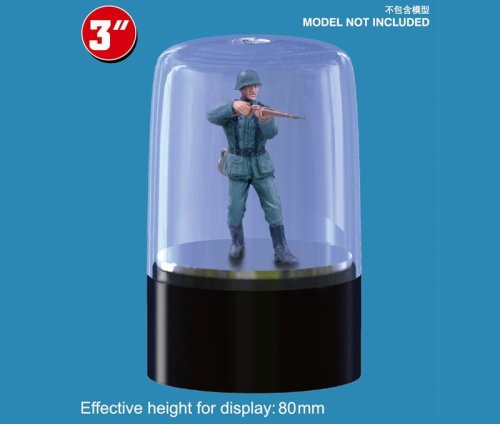
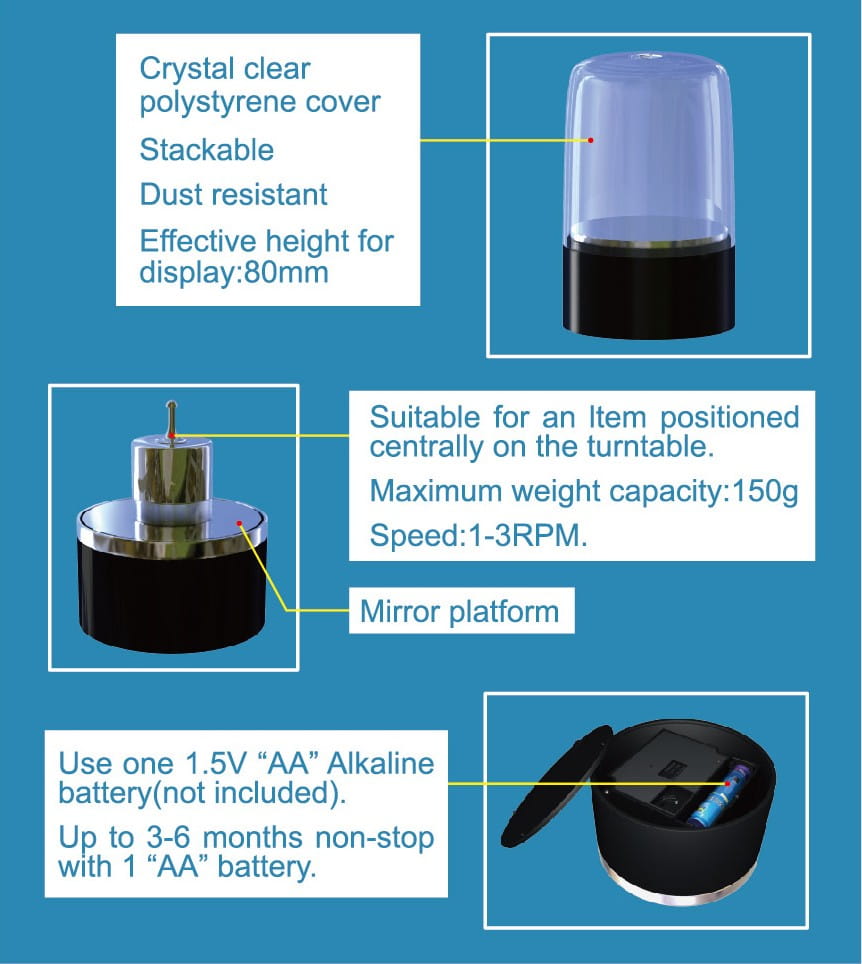
TRUMPETER 09831 - Rotating model kit display stand with casing, diameter: 83 mm, diameter: 84 mm
€9.62Regular price: €10.93-12%Lowest price: €10.93-12% -
€17.58Regular price: €19.98-12%Lowest price: €19.98-12%
-
€3.96Regular price: €4.50-12%Lowest price: €4.50-12%
-
€24.28Regular price: €27.60-12%Lowest price: €24.28-0%
-
€8.36Regular price: €9.50-12%Lowest price: €9.50-12%


Bestsellers
-
€202.36Regular price: €238.07-15%Lowest price: €178.55--13%
-
€161.88
-
€66.64
-
€178.55
-
€249.98
-
€107.12
-
€166.64
-
€166.64
-
€321.40
-
€214.26
-
€190.45
-
€95.21
-
€492.83
-
€209.50
-
€214.26
-
€559.50


 Log in with Google

