





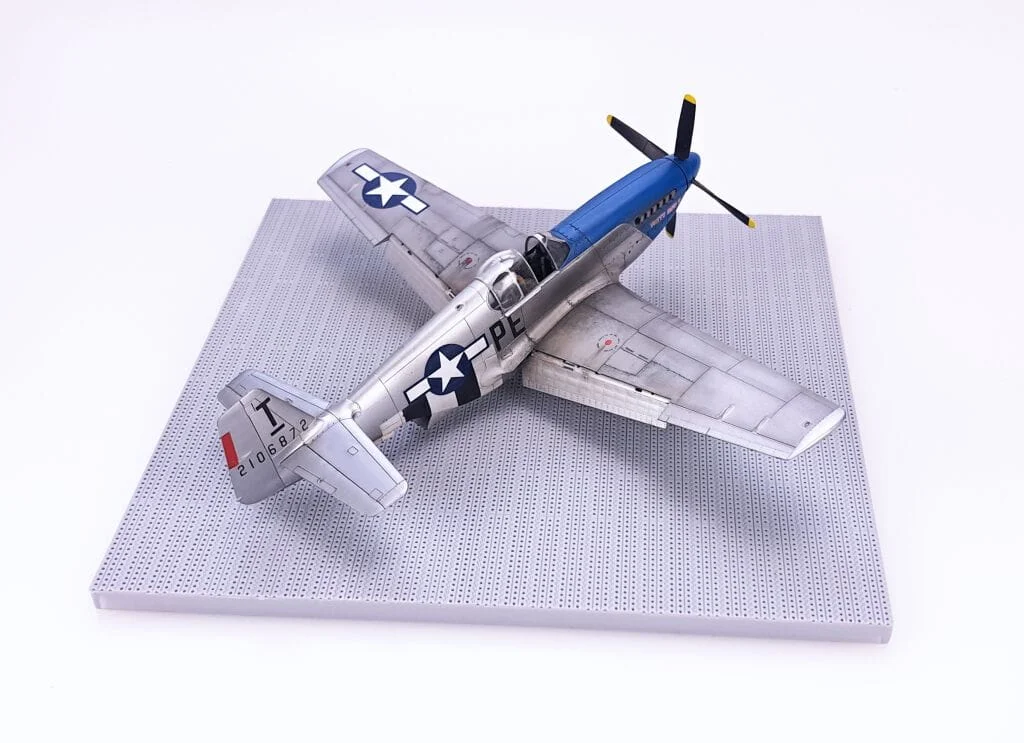


Arma Hobby 70059 - 1:72 PSP Airfield - diorama display base
Do darmowej dostawy brakuje Ci jedynie 299 zł
Masz darmową dostawę ✓
Product code: ARMH-70059
Barcode: 5902734373663
Ask about the product

Administratorem danych osobowych jest Sklep Modelarski Exito. Przetwarzamy je w celu przesłania odpowiedzi na zapytanie. Więcej informacji dotyczących przetwarzania danych osobowych znajduje się w polityce prywatności.
Share the product card



Leave feedback on the product

Description
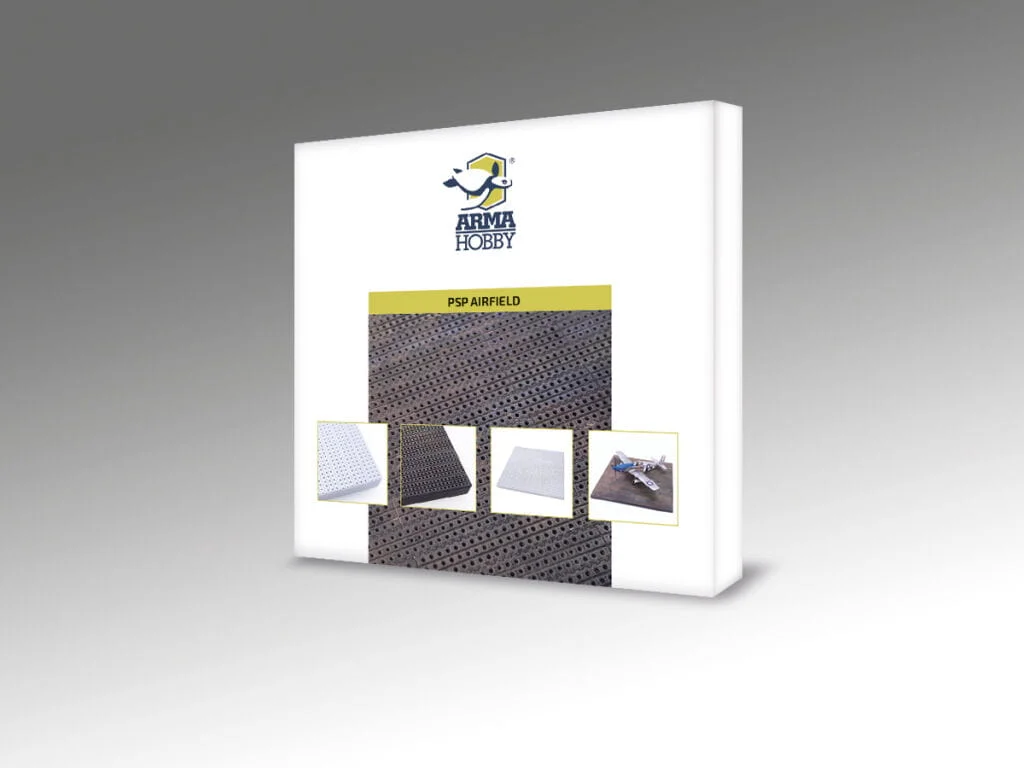
PSP Airfield plastic diorama display base — forward airfield surface in 1:72 scale
A diorama base is the simplest way to stop a finished model from floating in a vacuum and give it context. Arma Hobby 70059 reproduces a section of forward airfield surface made of pierced steel planking, widely known as Marston Mat. This solution was used by the Allies on every front of the Second World War, so the base suits a very wide range of 1:72 scale models.
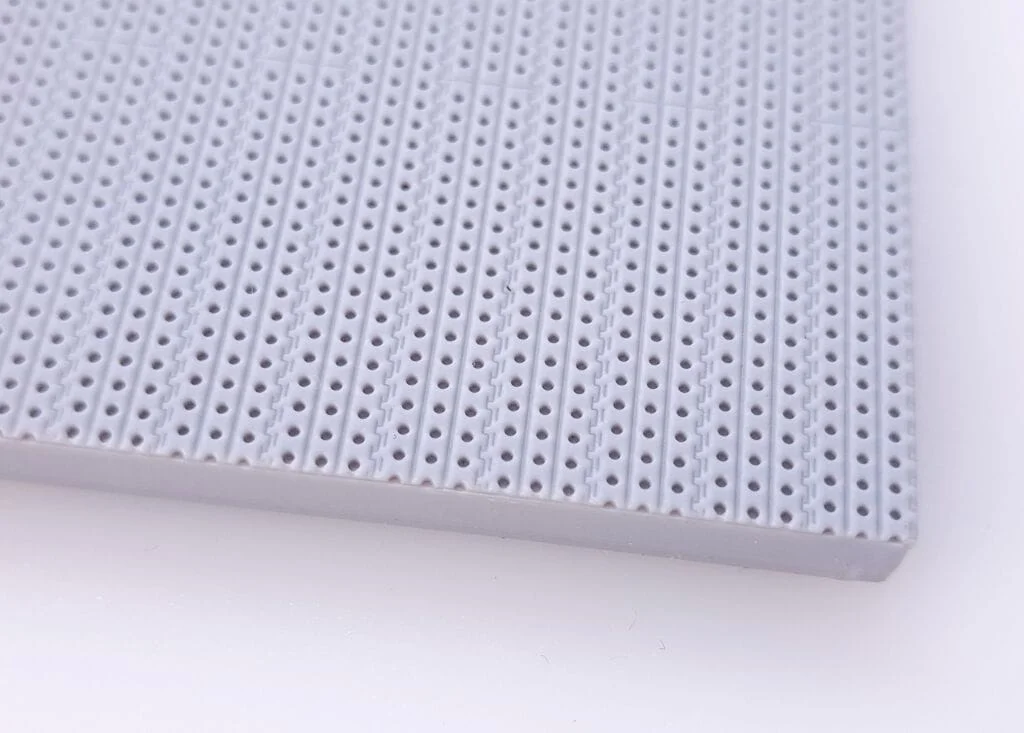
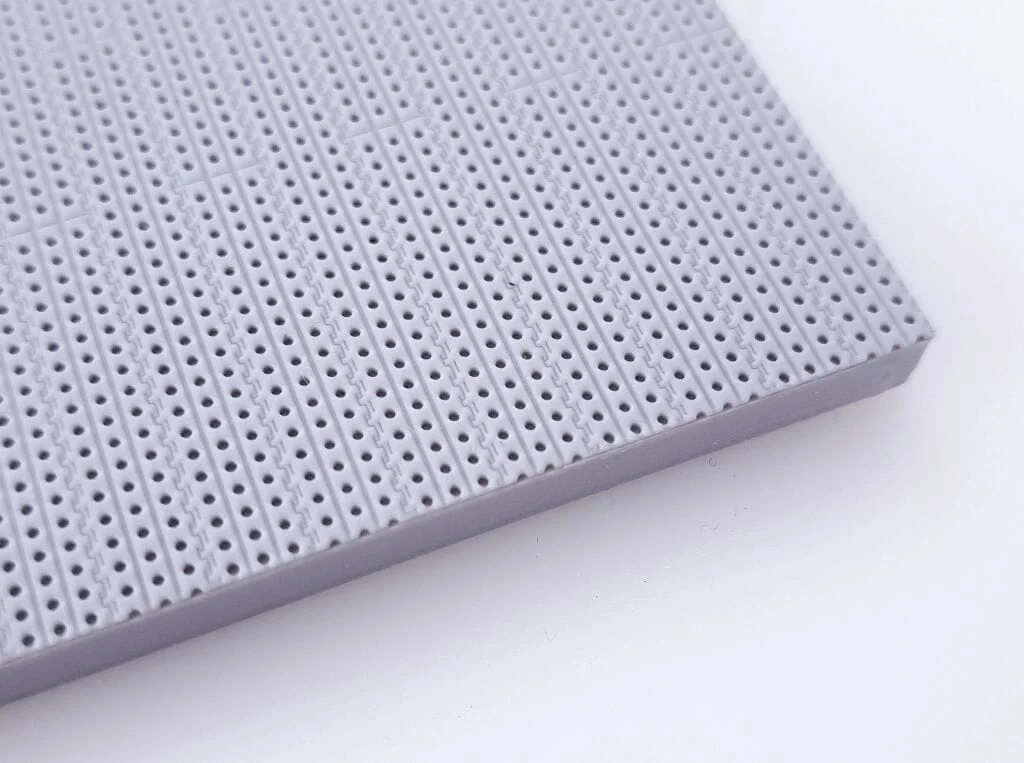
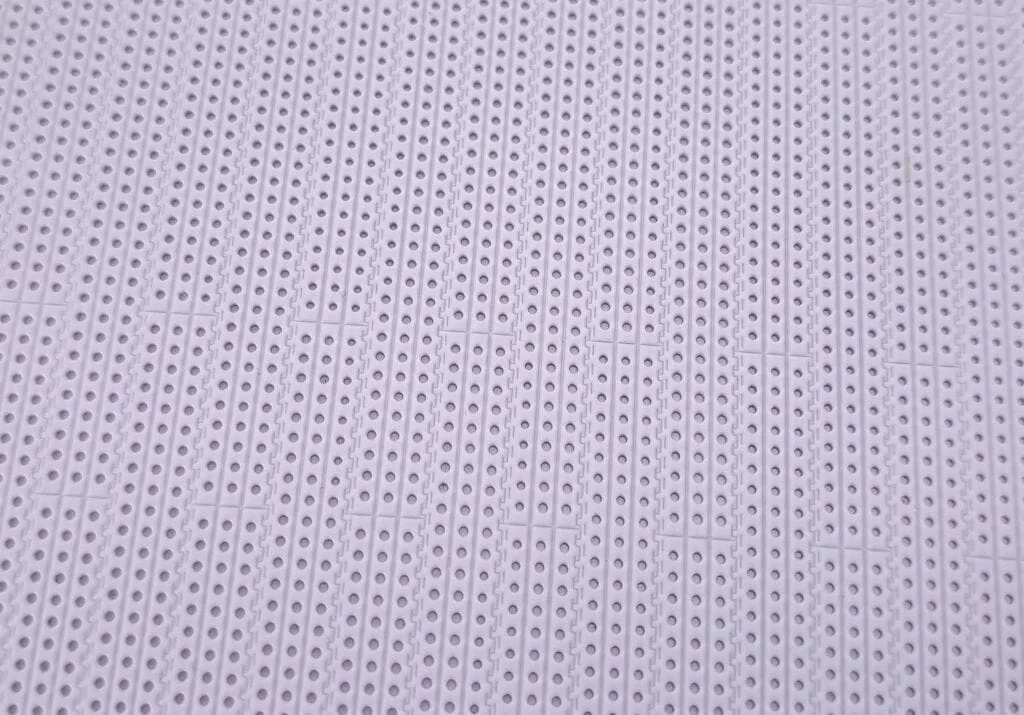
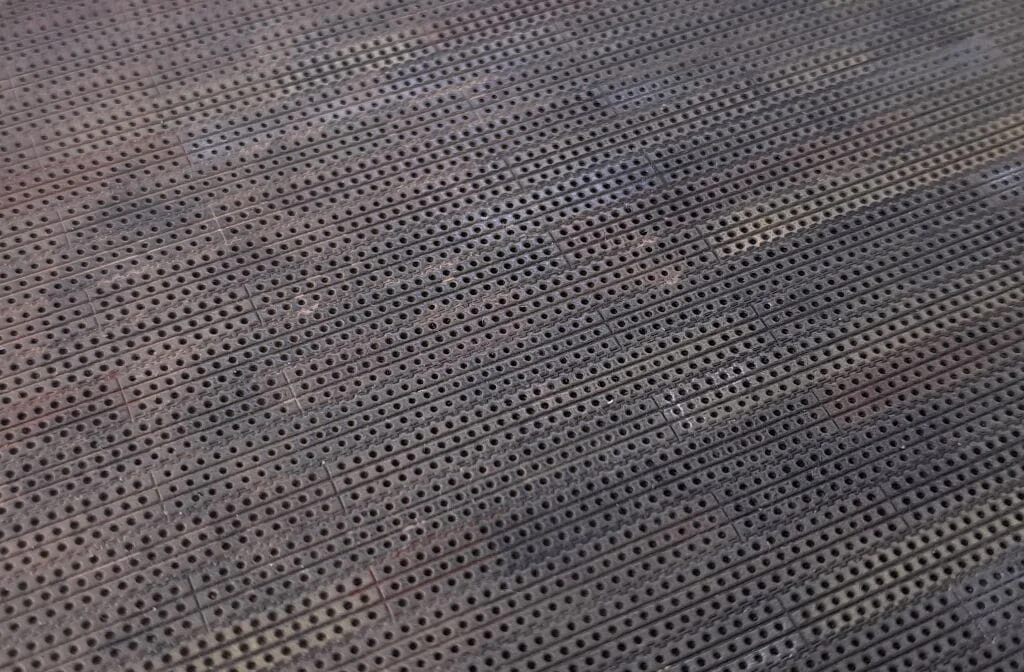
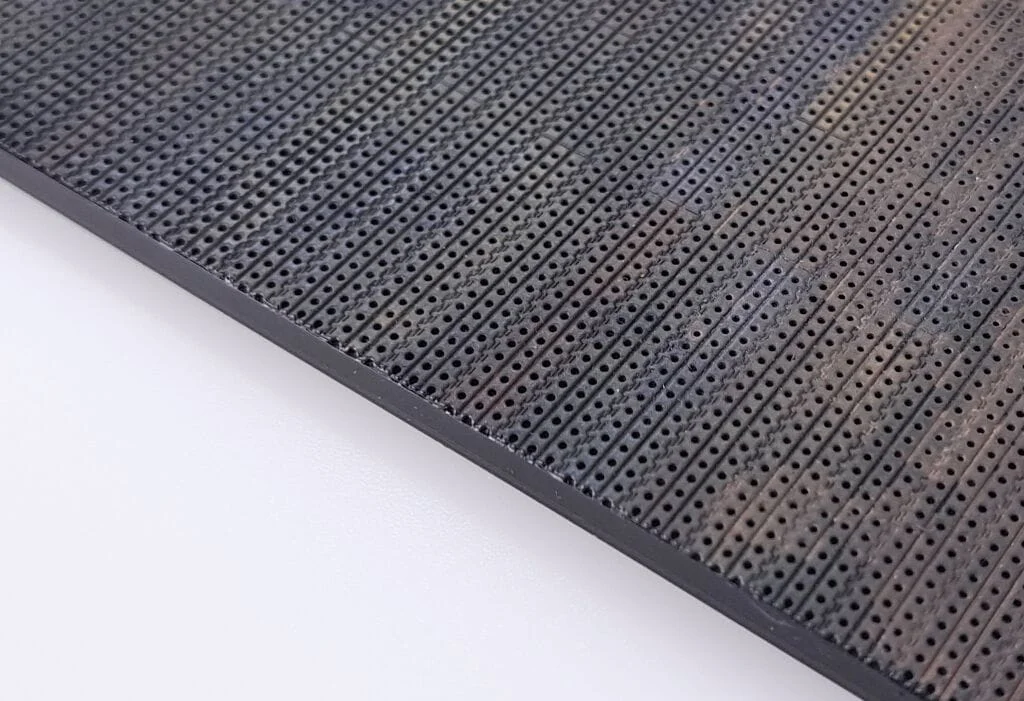
The plate is a single plastic moulding on a raised plinth measuring 152 x 152 mm. The surface carries a clearly reproduced texture of the perforated planking with its pattern of holes and interlocking edges, so that once painted it gives a convincing impression of a metal surface. The base is supplied unpainted and is intended for the modeller to finish.
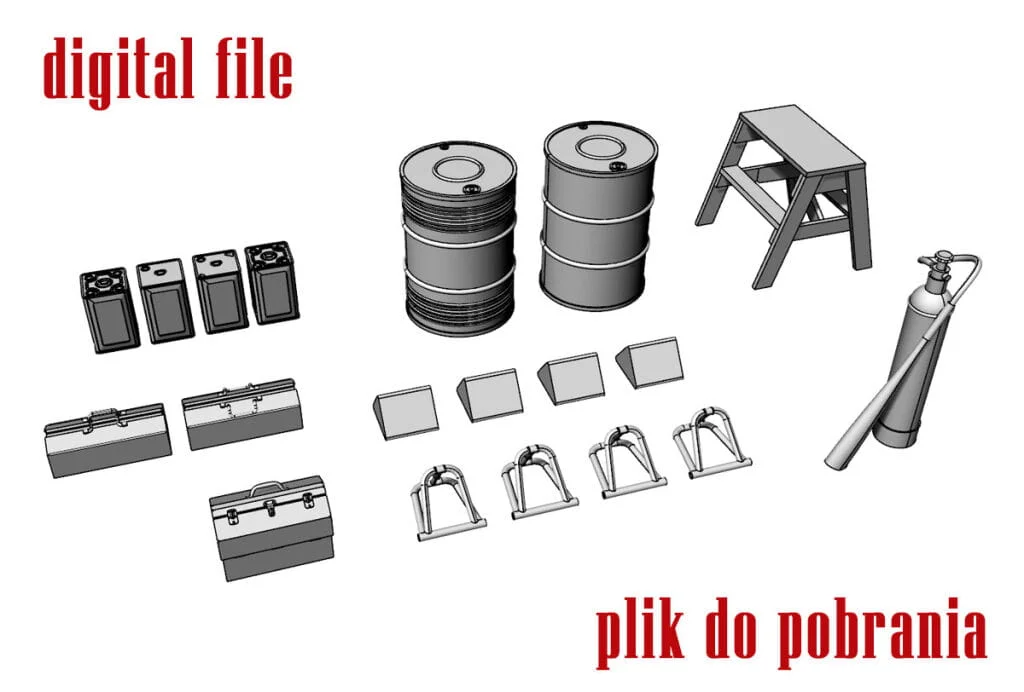
The manufacturer additionally provides files for home 3D printing, accessible via a QR code included with the set under a licence for private use. They cover a fire extinguisher, tool boxes, fuel drums, British "flimsy" cans, wheel chocks and wooden trestles. This is an option for modellers with a 3D printer who want to expand the scene with airfield equipment. The base was released in 2024.
What's in the box:
- Single plastic plate on a raised plinth measuring 152 x 152 mm
- Reproduced texture of pierced steel planking
Specifications:
- Scale: 1:72
- Catalogue number: 70059
- Manufacturer: Arma Hobby
- Base dimensions: 152 x 152 mm
- Construction: single plastic plate on a raised plinth, unpainted
- Intended use: display and diorama base for 1:72 scale aircraft models
- Year of release: 2024
Painting and use:
The base requires painting — this is the stage at which its final character is decided. The crisp, well-defined texture of the planking takes shading and weathering techniques very well: after a primer and a base coat in steel or dark grey tones we suggest applying a wash to bring out the holes and joints between plates, then lightening the raised areas with a dry brush. Pigments in earth and dust tones let you suggest mud pressed between the plates and ruts in the busiest areas — the surface of a forward airfield was rarely clean.
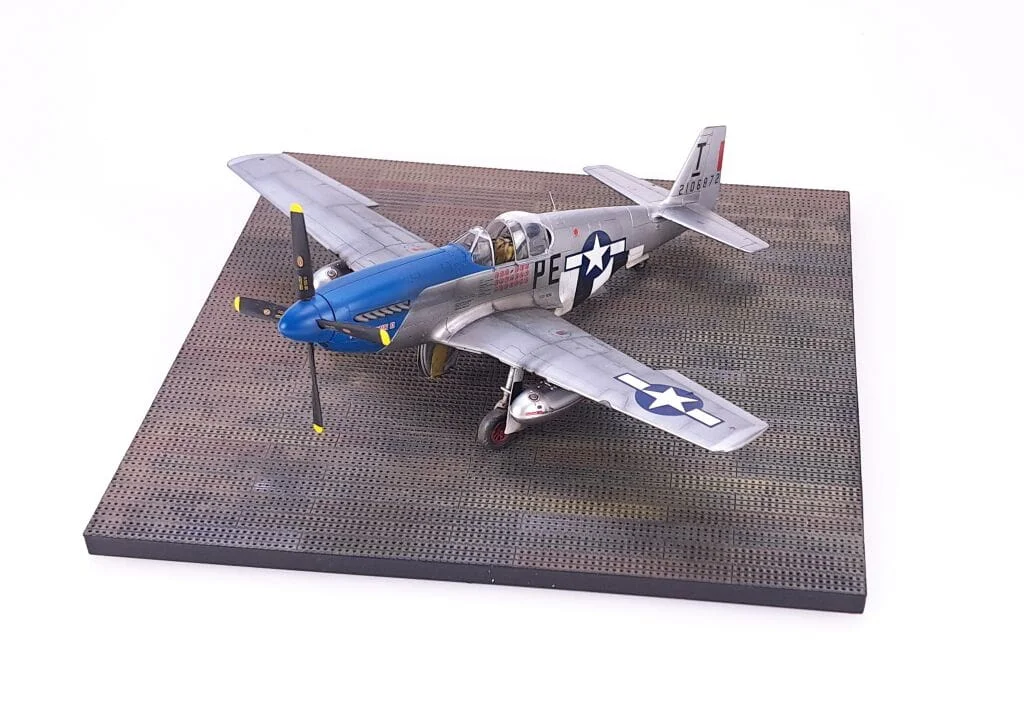
The finished base can serve as a simple display setting for a single model or as the starting point for a fuller scene with figures and equipment. An aircraft model is not included in the set and must be purchased separately. Note that the 3D files provided by the manufacturer — fire extinguisher, tool boxes, fuel drums, cans, wheel chocks and wooden trestles — are not in the box; they are files for home printing, for modellers who own a 3D printer.
About pierced steel planking:
PSP, or Pierced Steel Planking — also known as Marston Mat after the town in North Carolina where the first trials were held — consists of perforated steel plates joined along their edges by interlocking hooks. A single plate weighed a few dozen kilograms and could be carried by two men, and an entire surface could be laid without heavy equipment.
The solution proved decisive for tactical air power. Thanks to PSP, the Allies could turn a waterlogged meadow or a stretch of sand into a surface capable of taking fighters and medium bombers within a few days. The perforations reduced the weight of the plates and let water drain away, while the interlocking joints gave the surface sufficient rigidity.
PSP was laid on every front of the Second World War — from the jungles of New Guinea and the Pacific islands through North Africa and Italy to the forward airfields of Normandy after the June 1944 landings. Its distinctive pattern became one of the most recognisable features of the airfield landscape of the era, and surfaces of this type remained in use long after the war, in Korea and Vietnam among other places.
About the manufacturer – Arma Hobby:
Behind the Arma Hobby name is a Warsaw company that has been releasing plastic model kits since 2016, having previously supplied modellers with resin accessories as Attack Squadron. Design and tooling are carried out in Poland using computer tools and scans of preserved aircraft. The company's trademark is very fine surface reproduction, thin trailing edges, well-executed transparencies and high-quality decals. The catalogue covers 1:72 and 1:48 scales, with particular emphasis on Polish aviation such as the PZL P.7a, PZL P.11c and TS-11 Iskra, and on Allied aircraft of the Second World War. The range is completed by products that accompany the kits, including diorama display bases and weapon sets. Arma Hobby releases have been honoured many times in industry polls, including with the Model of the Year title at the Nuremberg toy fair. The manufacturer also develops kits supplemented with 3D-printed parts and provides files for home printing.
Safety warnings
Certificates and safety warnings
- Product not for children under 14 years of age. Use under adult supervision.
- Contains small parts that may present a choking hazard.
- Contains sharp-edged elements.
- Keep out of reach of pets.
Manufacturer
Arma Hobby S.C.
Ostrobramska 101/200
04-041 Warszawa, Poland
Other products in this category
-
€11.88
-
€51.17
-
€16.40
-
€36.17
-
€17.36
-
€16.17
-
€6.17
-
€13.79
-
€22.60
-
€22.60
-
€14.02
-
€15.21
-
€16.64
-
€17.60
-
€29.74
-
€35.21


Special offers
Check out all the deals
-
€11.29Regular price: €12.83-12%Lowest price: €11.29--0%
-
€32.66Regular price: €37.12-12%Lowest price: €36.64-11%
-
€33.92Regular price: €38.55-12%Lowest price: €38.55-12%
-
€14.44Regular price: €16.40-12%Lowest price: €14.44-0%
-
€31.83Regular price: €36.17-12%Lowest price: €36.17-12%
-
€20.72Regular price: €23.55-12%Lowest price: €23.55-12%
-
€30.36Regular price: €34.50-12%Lowest price: €34.50-12%
-
€43.98Regular price: €49.98-12%Lowest price: €49.98-12%
-
€12.34Regular price: €14.02-12%Lowest price: €11.92--4%
-
€20.93Regular price: €23.79-12%Lowest price: €23.79-12%
-
€12.55Regular price: €14.26-12%Lowest price: €14.26-12%
-
€72.05Regular price: €81.88-12%Lowest price: €81.88-12%
-
€26.59Regular price: €30.21-12%Lowest price: €30.21-12%
-
€32.04Regular price: €36.40-12%Lowest price: €36.40-12%
-
€33.92Regular price: €38.55-12%Lowest price: €38.55-12%
-
€21.98Regular price: €24.98-12%Lowest price: €14.99--47%


Bestsellers
-
€202.36Regular price: €238.07-15%Lowest price: €178.55--13%
-
€161.88
-
€66.64
-
€178.55
-
€214.26
-
€249.98
-
€107.12
-
€95.21
-
€166.64
-
€190.45
-
€166.64
-
€321.40
-
€285.69
-
€492.83
-
€214.26
-
€559.50


 Log in with Google

